Universal Group Holds Leadership and Supervisory Skills Development Program Delivered by Al-Khair Center for Training and Social Development
Subhead: The program targets middle managers and supervisors, strengthening their ability to lead teams and manage performance.
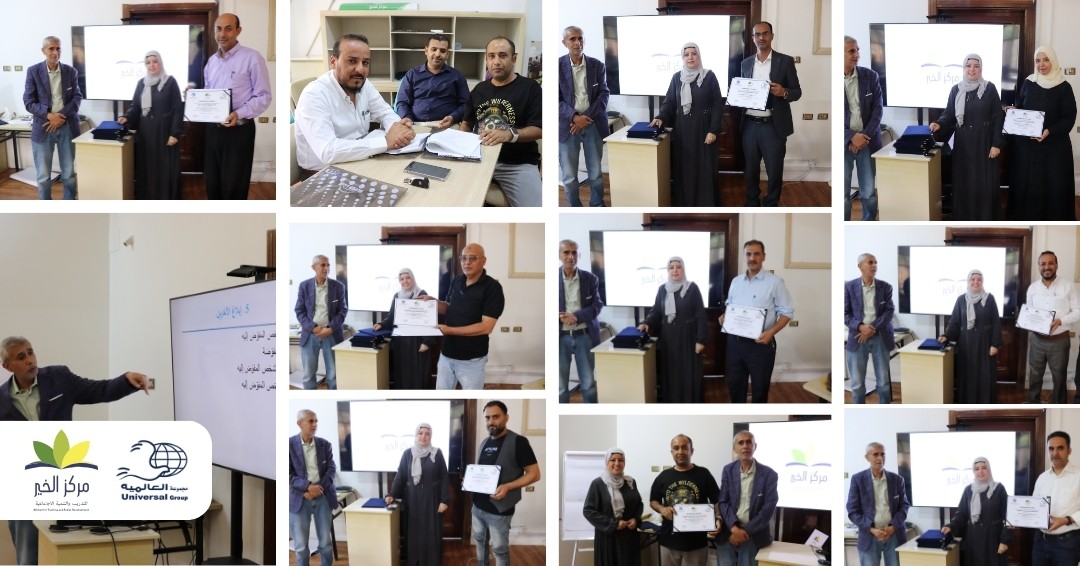
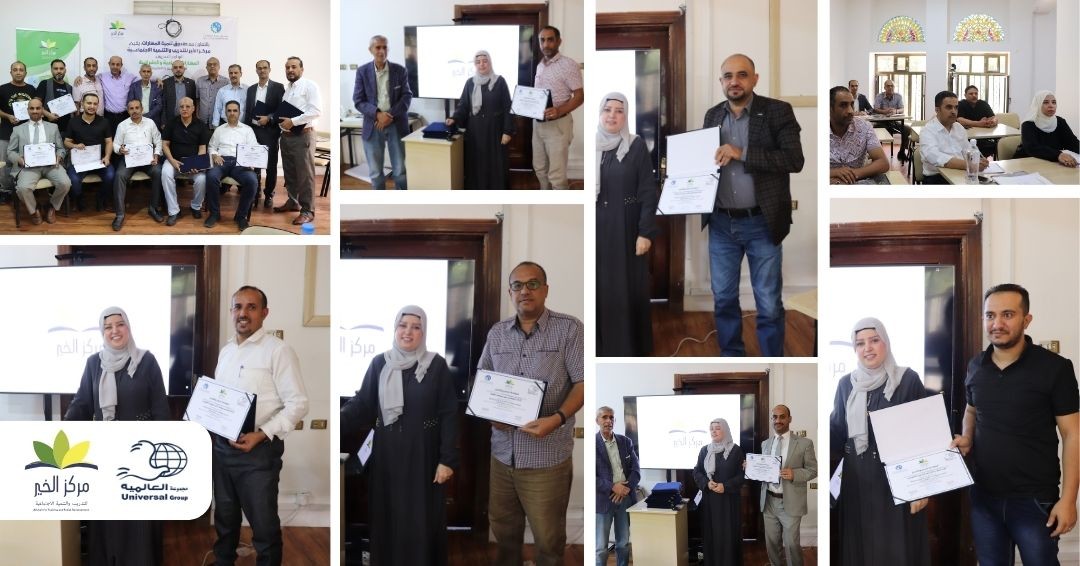
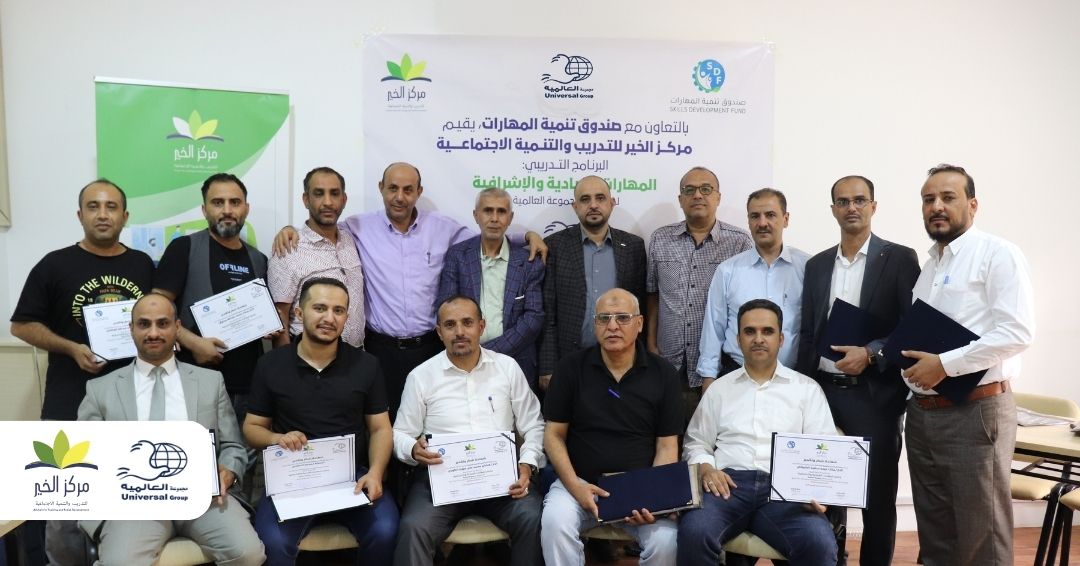
Universal Group held on 13-17 September a specialized training program in leadership and supervisory skills development for 20 of its department heads, supervisors, and middle managers. The program was delivered by Al-Khair Center for Training and Social Development at group's headquarters, as part of the Group’s plan to build institutional capacity, develop its second tier of leaders, and raise the efficiency of supervision and team management.
Program Modules
The program combined conceptual frameworks with practical application, helping participants move from individual performance to leading teams. Key modules included:
• The difference between leadership and management, and the supervisor’s role in a modern workplace.
• Leadership styles and adapting them to the situation and the team’s maturity level.
• Effective communication, active listening, and running productive meetings.
• Effective delegation, task distribution, and follow-up.
• Motivating employees and building a performance-driven work environment.
• Performance management, setting indicators, and giving constructive feedback.
• Conflict management, problem solving, and decision making under pressure.
• Time management and prioritization for supervisory roles.
• Team building and leading change within the organization.
• Practical exercises and case studies drawn from the Group’s operations.
Objectives and Outcomes
• Prepare middle managers and supervisors in line with management best practices.
• Raise supervisory efficiency and improve the quality of day-to-day decisions.
• Strengthen participants’ ability to motivate their teams and manage performance.
• Reduce internal conflict and improve cohesion across teams.
• Build a second tier of leaders to safeguard continuity of institutional performance.
• Embed a culture of continuous learning and self-development in the workplace.
Training Methodology
The program used an interactive, participant-centered approach: group workshops, role play, real-world case studies, applied exercises, and individual feedback — designed to transfer the training impact into the actual work environment.